
Between my woodworking and The Basement Forge I use a variety of design and analysis software. These paired with the tools I use in my professional career are highlighted here.

Ansys Fluent
Fluent is a computational fluid dynamics (CFD) software used to solve problems related to fluid flow. I began using Fluent in 2023 to better understand the forces and pressure acting on parts within a hydraulic system and improve the validation of my designs. I have also used Fluent in my personal time to improve the cooling of my electronics and 3D printers.

Blender 3D
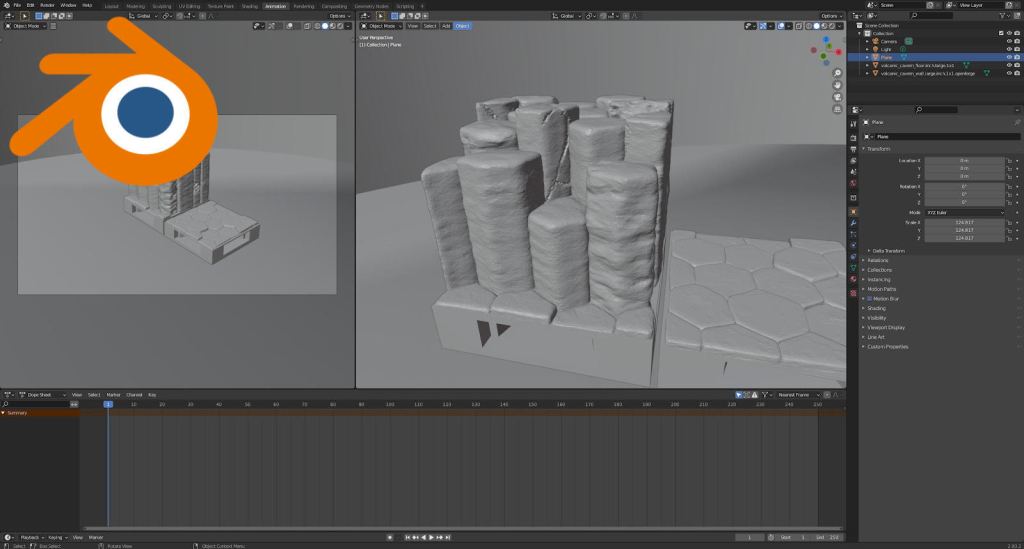
Blender is an open-source 3D design software whose uses span multiple industries. I started using Blender in 2018, primarily for mesh modeling, set layouts, and product renders. In 2024, I began learning the rigging and animation functions to expand the use of my 3D models.

Creo
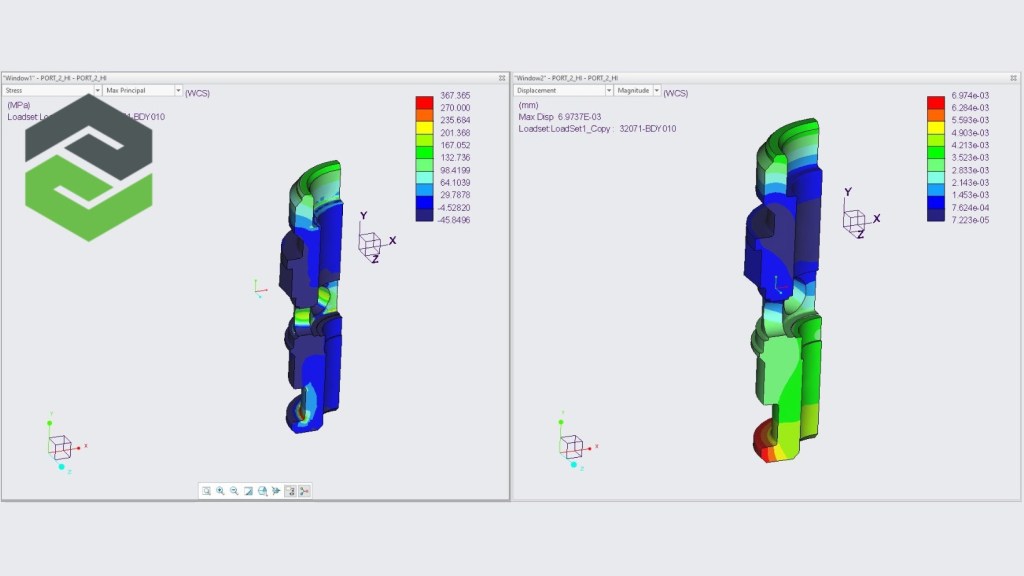
Creo is a parametric computer-aided design (CAD) software, used in industry to support the development of new products. I have used Creo in educational and professional settings starting in 2021. During my time as a hydraulics design engineer, I primarily use Creo to design and refine parts for use in the high pressure control systems of off-highway vehicles. This includes validating designs with the finite element analysis (FEA) software within Creo. In addition to design, I’ve used Creo to create engineering drawings for use in service manuals and supply orders.

Fusion 360
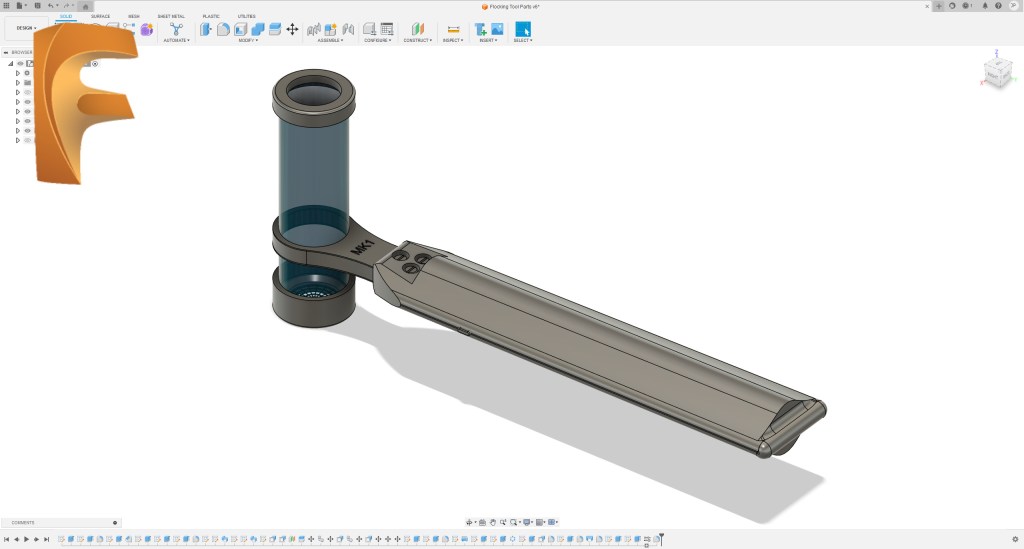
Fusion 360 is a computer-aided design (CAD) software package that’s popular in the maker community for its relative simplicity and power. I began using Fusion 360 in 2020 to improve my design workflow, prior to Fusion I was using hand drawn plans and approximate dimensions. Fusion 360 is also where I first used finite element analysis (FEA) to validate my designs, and computer-aided machining (CAM) to run a CNC router.

Tableau
Tableau is a data visualization tool that allows businesses to present data in a more impactful and digestible way. I began using Tableau in 2021 while working for Verizon. This software allowed me to pull store foot traffic, labor hours, sales, and survey data to create meaningful and attainable target for employees. This level of granularity also allowed for a deeper understanding of trends and the issues facing teams at a store level.

 JD Peterson III